
One of the most critical areas in any surgical facility is the Central Sterile Services Department (CSSD). Made up of the “Dirty”, “Clean”, and “Sterile” zones, this area serves as the foundation of infection control within surgical environments.
The CSSD enables instruments to be washed, sterilised, and stored effectively. This not only protects patients and staff, but also improves operational efficiency, which is essential for maximising return on investment in your facility.
Here’s what to consider when designing the perfect CSSD area.
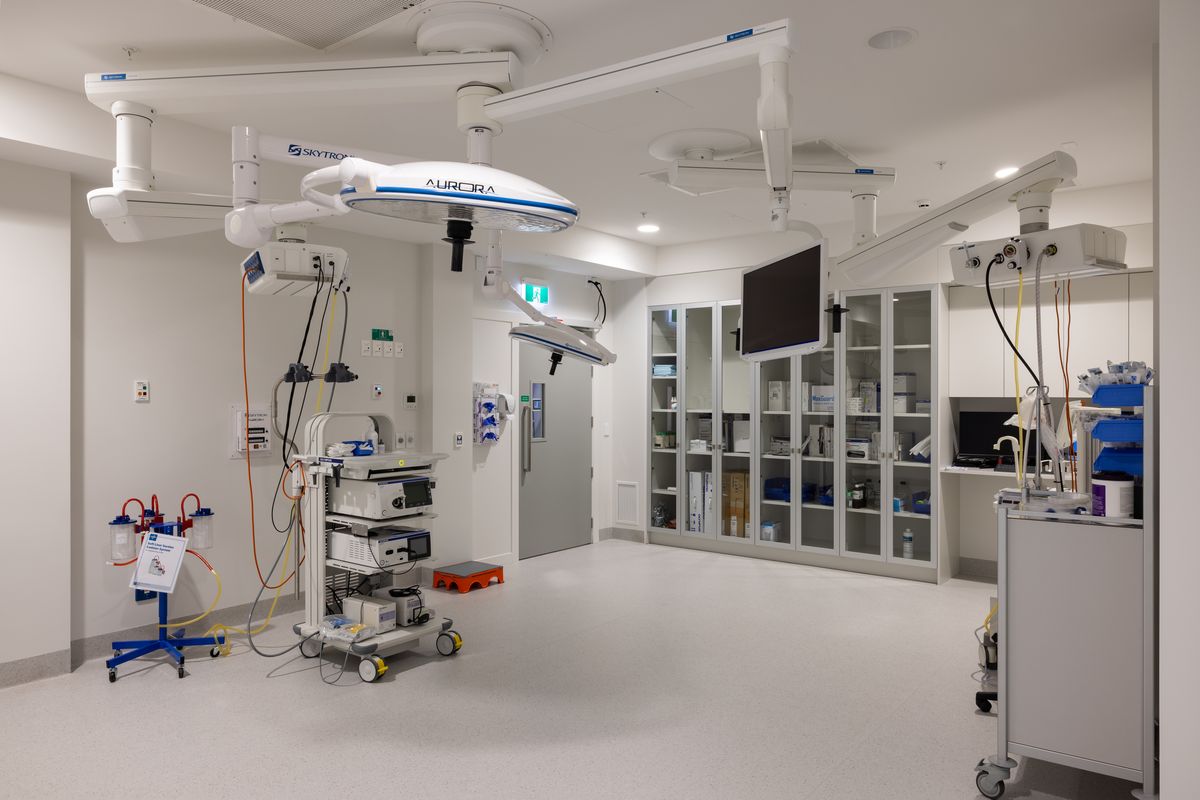
The location of clean and dirty rooms within the CSSD is crucial. These spaces should be positioned close (or ideally, adjacent) to operating theatres to reduce the time and distance staff travel with instruments. This improves turnaround times and lowers the risk of contamination during transport.
The dirty room should be accessible immediately after procedures, allowing staff to deposit used instruments for cleaning without crossing clean zones. Likewise, the clean room should be positioned to allow easy access to sterilised instruments before procedures begin, supporting a smooth and efficient workflow for procedure preparation.
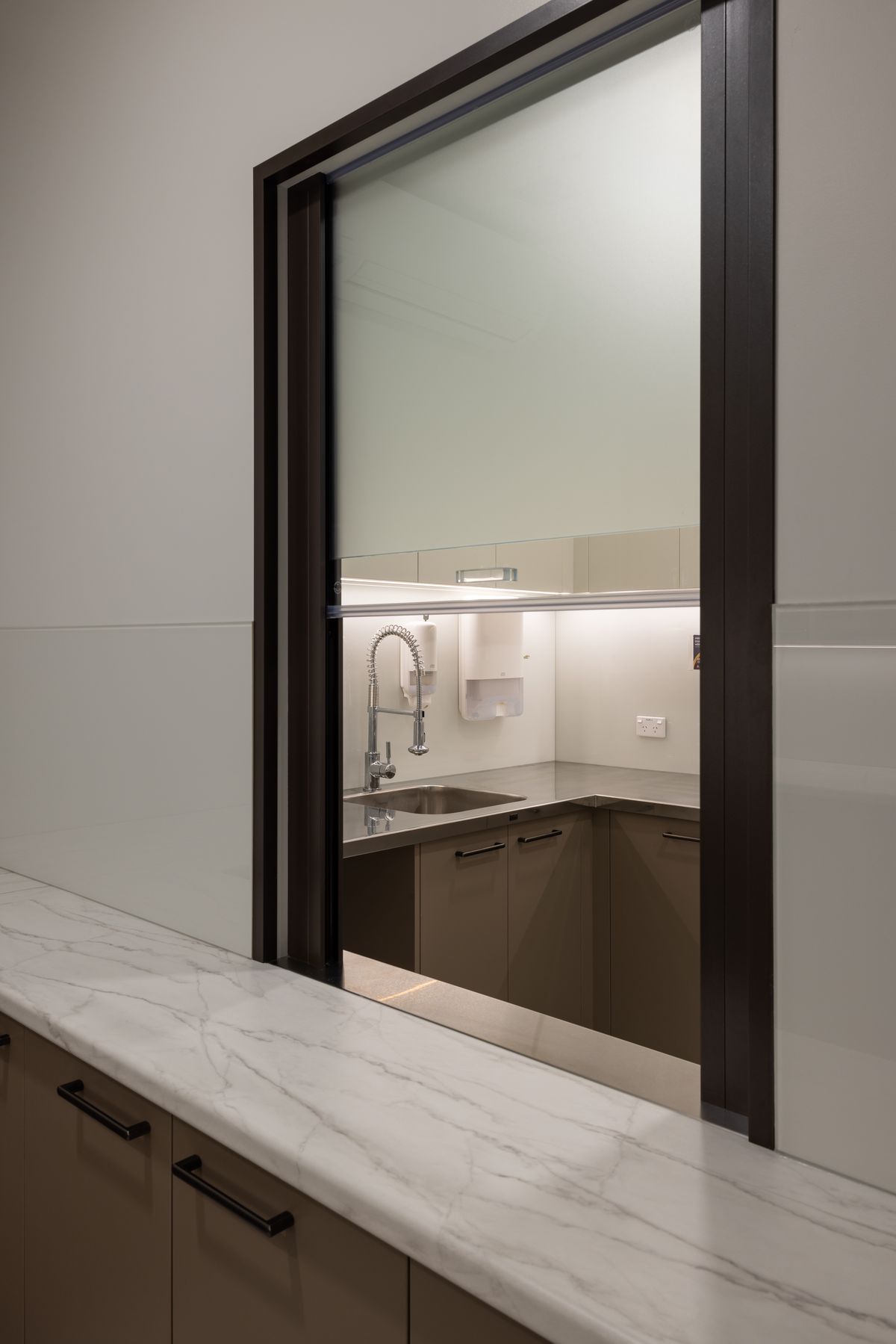
A well-planned layout ensures that instruments move through the CSSD in a logical, unidirectional flow. This means moving from dirty to clean to sterile zones without backtracking or overlap.
Some facilities incorporate pass-through hatches between clean and dirty rooms, as well as directly between the operating theatre and clean/dirty rooms. This allows staff to transfer used instruments directly into the dirty room for cleaning and receive sterilised instruments from the clean room without leaving the procedure space. This setup reduces foot traffic, maintains infection control, and improves overall efficiency.
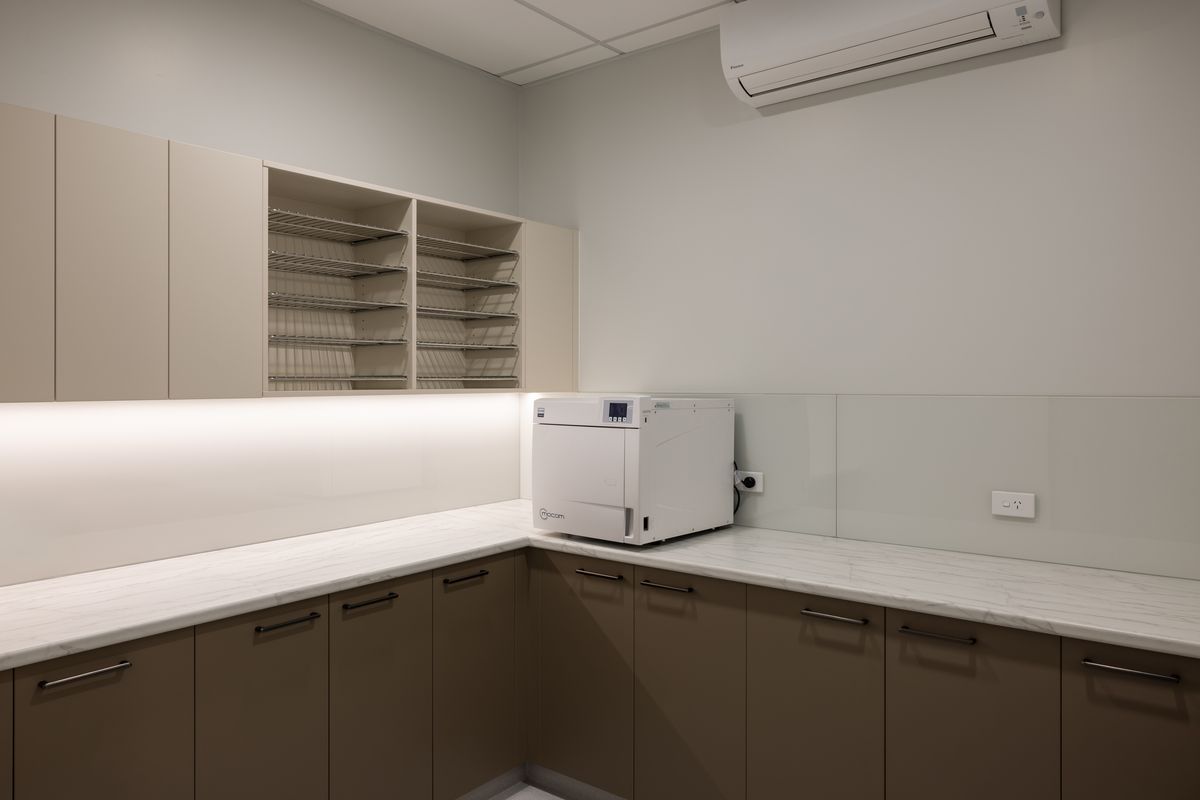
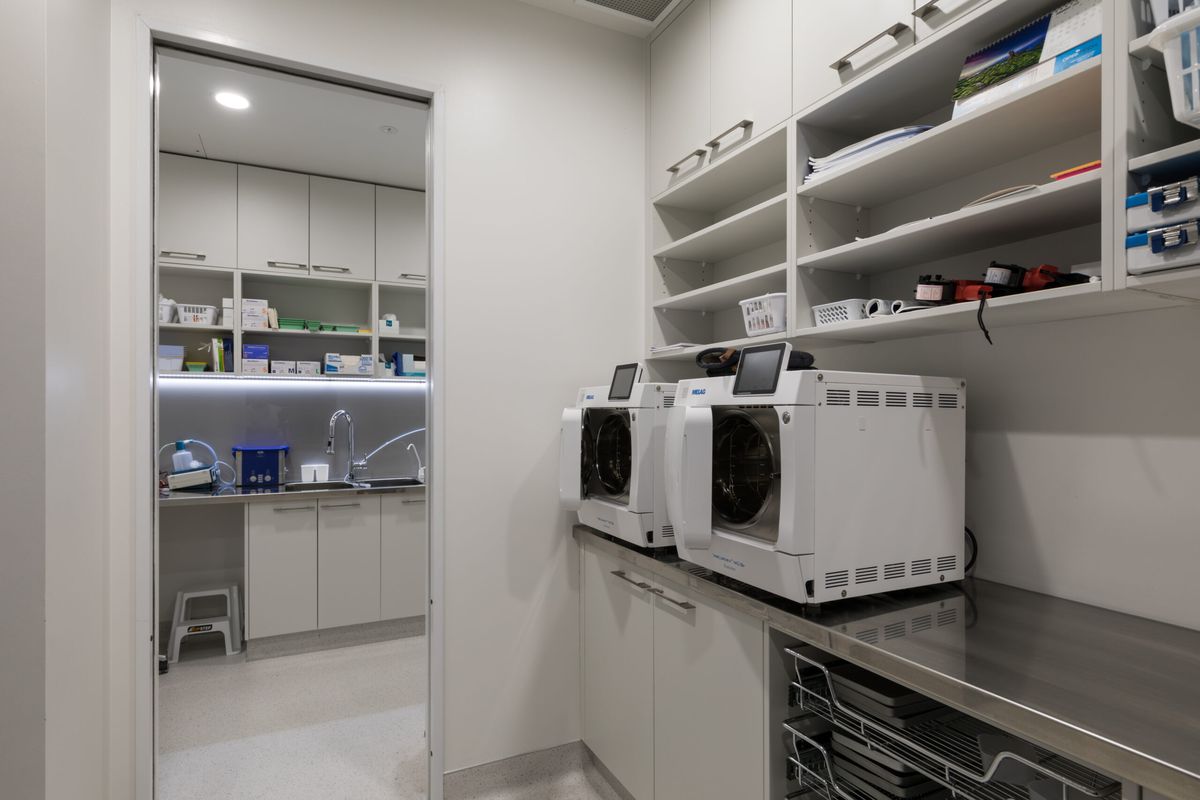
Cabinetry in CSSD areas should be tailored to the specific equipment and processes used in your facility. Generic storage solutions often fall short in high-performance environments, reducing storage and operational efficiency.
Custom cabinetry improves organisation, reduces clutter, and supports staff efficiency to allow fast cleaning and sterilisation of instruments.
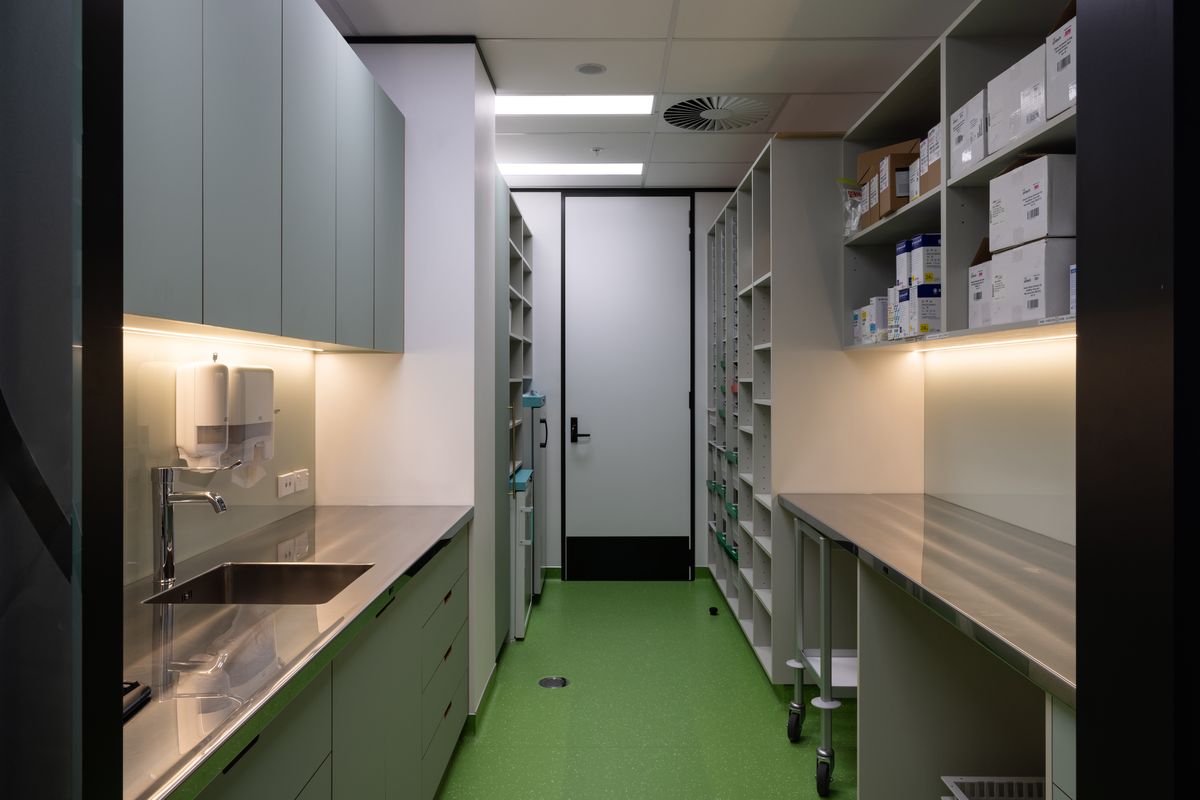
Every surface in the CSSD must be easy to clean, resistant to damage, and compliant with infection control protocols. The right finishes make a significant difference in both performance and longevity.
Behind the scenes, building services play a vital role in maintaining hygiene and supporting equipment performance.
These services should be planned early in the design process to ensure seamless integration and long-term reliability.
“Clean medical equipment is essential to patient safety; without strict hygiene and proper sterilization, even routine care can expose patients to preventable infections and serious complications.”























Talk to our team about your next clinic, imaging suite or hospital fitout.
